

Amazon is officially turning the page on its long relationship with Android. The company has launched Vega OS, a brand-new operating system that will power its next generation of Fire TV devices – starting with the Fire TV Stick 4K Select.
It’s a big move for Amazon, one that goes far beyond a software update. Vega OS marks the company’s first real step toward building an entirely independent platform – one that it can control, optimise and expand without relying on Google’s Android ecosystem.
Why Vega OS matters
For years, Amazon’s Fire OS, a customised version of Android, has powered its Fire tablets and streaming devices. It worked well – users got access to Android apps and developers didn’t need to start from scratch. But it also meant Amazon had to play by Google’s rules.
Vega OS changes that.
Built on Linux, the new system gives Amazon full control over performance, design and future updates. It’s lighter, faster, and less resource-hungry – the new Fire TV Stick 4K Select runs smoothly on just 1 GB of RAM, half of what previous 4K models needed.
Amazon says Vega OS delivers “fast app launches and smooth navigation,” and early reports seem to support that claim. But what’s happening behind the scenes is even more important: Vega OS gives Amazon the freedom to evolve its ecosystem on its own terms.
A familiar look, a new core
At first glance, Vega OS doesn’t look dramatically different. The interface, layout and menus are nearly identical to what Fire TV users already know. That’s intentional –Amazon doesn’t want to alienate its audience.
The real difference lies in the foundations. Vega OS is Linux-based and built with React Native 0.72, which means developers can use JavaScript and web technologies to create native apps. Amazon’s new Vega Developer Tools even allow some code reuse, helping developers transition existing projects to the new system faster.
The end of sideloading
If you’ve ever sideloaded an app on your Fire TV, there’s some bad news: Vega OS closes that door.
Unlike Fire OS, which allowed users to install APKs from outside sources, Vega OS limits all app installations to the Amazon Appstore. In Amazon’s own words:
“For enhanced security, only apps from the Amazon Appstore are available for download.”
Technically, developers can still sideload apps using command-line tools, but that’s hardly a practical option for most users. It’s a clear move toward a closed ecosystem, more like Apple’s tvOS or Samsung’s Tizen.
For some, that will mean better security and stability. For others, it’s a frustrating loss of flexibility, especially for those who liked experimenting with niche or custom apps.
Amazon’s “Cloud Apps”: a bridge between worlds
To soften the transition, Amazon has introduced cloud apps – Android apps that run on Amazon’s servers and are streamed to your TV, similar to cloud gaming. Users interact with them just like local apps, but everything happens remotely.
Only selected video streaming apps will use this feature, and Amazon is offering nine months of free hosting to give developers time to rebuild native Vega OS versions. After that, each developer will need to decide whether to stay in the ecosystem or move on.
It’s a clever workaround to keep major streaming services like Netflix, Disney+ and HBO Max available from day one – even if native apps aren’t ready yet.
Developers face a split ecosystem
For now, Amazon isn’t abandoning Fire OS completely. Devices running the Android-based system will continue to get updates and Fire TV models from brands like Hisense, TCL and Panasonic will still use it for the foreseeable future.
That means developers now face a two-track ecosystem:
- Fire OS (Android-based)
- Vega OS (Linux-based)
Maintaining two separate versions of the same app will be challenging, especially for smaller teams. It’s a necessary step if Amazon wants to transition smoothly, but it could slow down how fast new apps and updates reach users.
Why Amazon is doing this
Amazon’s motivation is easy to understand. By moving to Vega OS, the company gains:
- Full control over its software and update cycle.
- Freedom from Google’s licensing rules.
- A unified platform across Fire TV, Echo and future smart devices.
- Better integration of Alexa, Prime Video and advertising features.
It’s a strategy we’ve already seen from Apple (tvOS), Samsung (Tizen), and LG (webOS) – and now Amazon wants to play in that same league.
What it means for users
If you’re a casual Fire TV user, you might not notice much difference at first. The interface looks the same and your favourite streaming apps will still be there. But under the hood, Vega OS is a major shift: it’s faster, more efficient and built for the long term.
If you’re more of a power user, though, this update could feel restrictive. Without sideloading or easy app access, Fire TV becomes a more curated, less customisable experience. That trade-off will likely define how Vega OS is received.
A cautious but ambitious step
Vega OS is Amazon’s bid for independence in the smart TV space. It’s designed to make the Fire TV ecosystem leaner, faster and more secure, while setting the stage for broader use across Amazon’s hardware lineup.
Whether Vega OS succeeds depends on how fast developers adapt and how well Amazon manages the balance between control and openness. For now, it’s an ambitious start and one that could reshape how millions of users experience streaming on Fire TV.
If you’re planning to build or adapt your app for Vega OS, get in touch with us — our team can support you in creating, testing and optimising applications for the new Fire TV environment.
If you find this article valuable, you can share it on social media →
Read more about the VOD & OTT Industry!
Media technology integration: turning stacks into systems
Learn how POIS and ESAM move ad control to the source, giving broadcasters real-time flexibility and regional targeting.
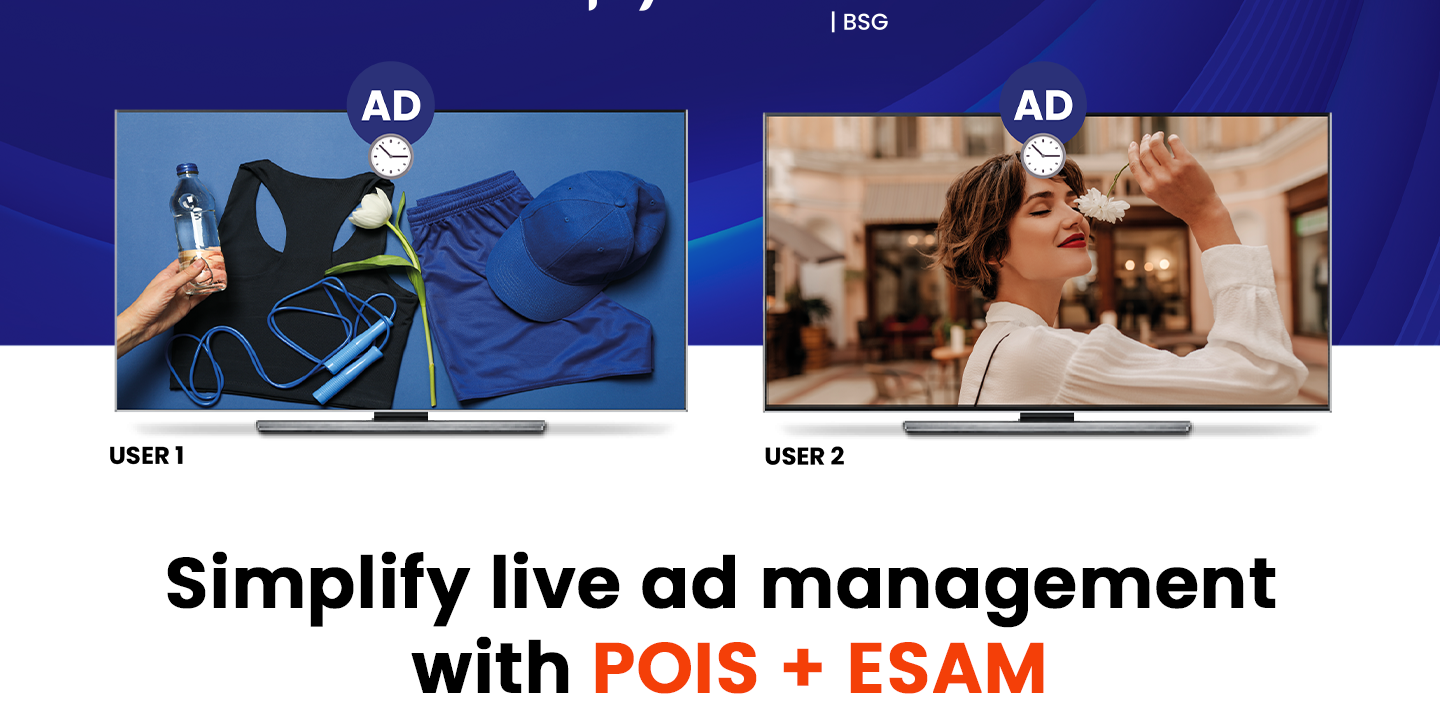
How POIS and ESAM power live ad control
Learn how POIS and ESAM move ad control to the source, giving broadcasters real-time flexibility and regional targeting.
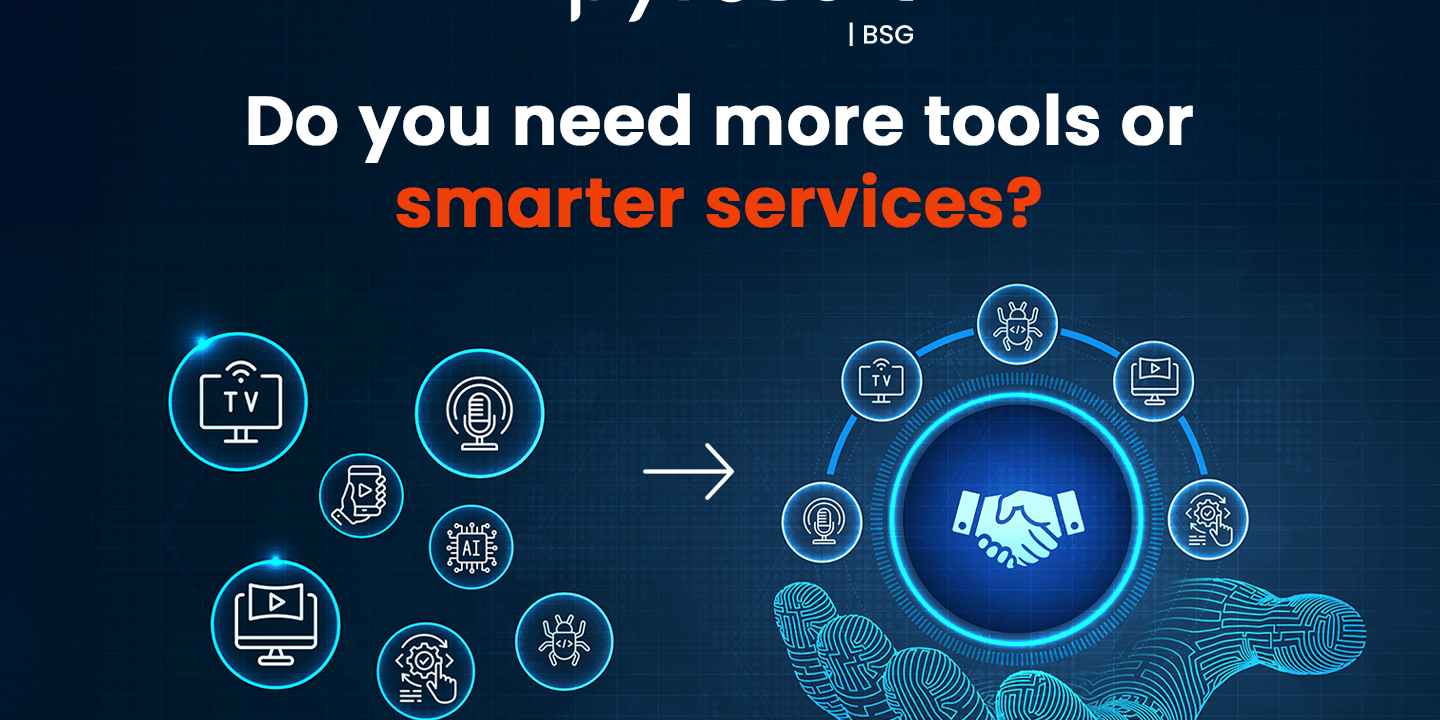
Why services, not more products, solve media & entertainment challenges
The challenge in media and entertainment isn’t more tech, but making existing tools work together to deliver real results.
Are you looking for a partner to build a Video Solution?
Leave your email and a short description about your project. We would gladly discuss different cooperation possibilities!