
Talk to anyone in the media and entertainment industry, and one thing becomes clear – technology is everywhere. New tools, dashboards, platforms, APIs – all promising to make production faster, workflows smoother, and delivery smarter.
On paper, it’s the perfect setup. Yet, behind the scenes, things don’t always move as quickly as expected. Work slows down. Teams jump between platforms that don’t quite connect. Reports take days instead of hours. It’s not a lack of innovation. It’s an excess of it, or perhaps, an excess of disconnected innovation.
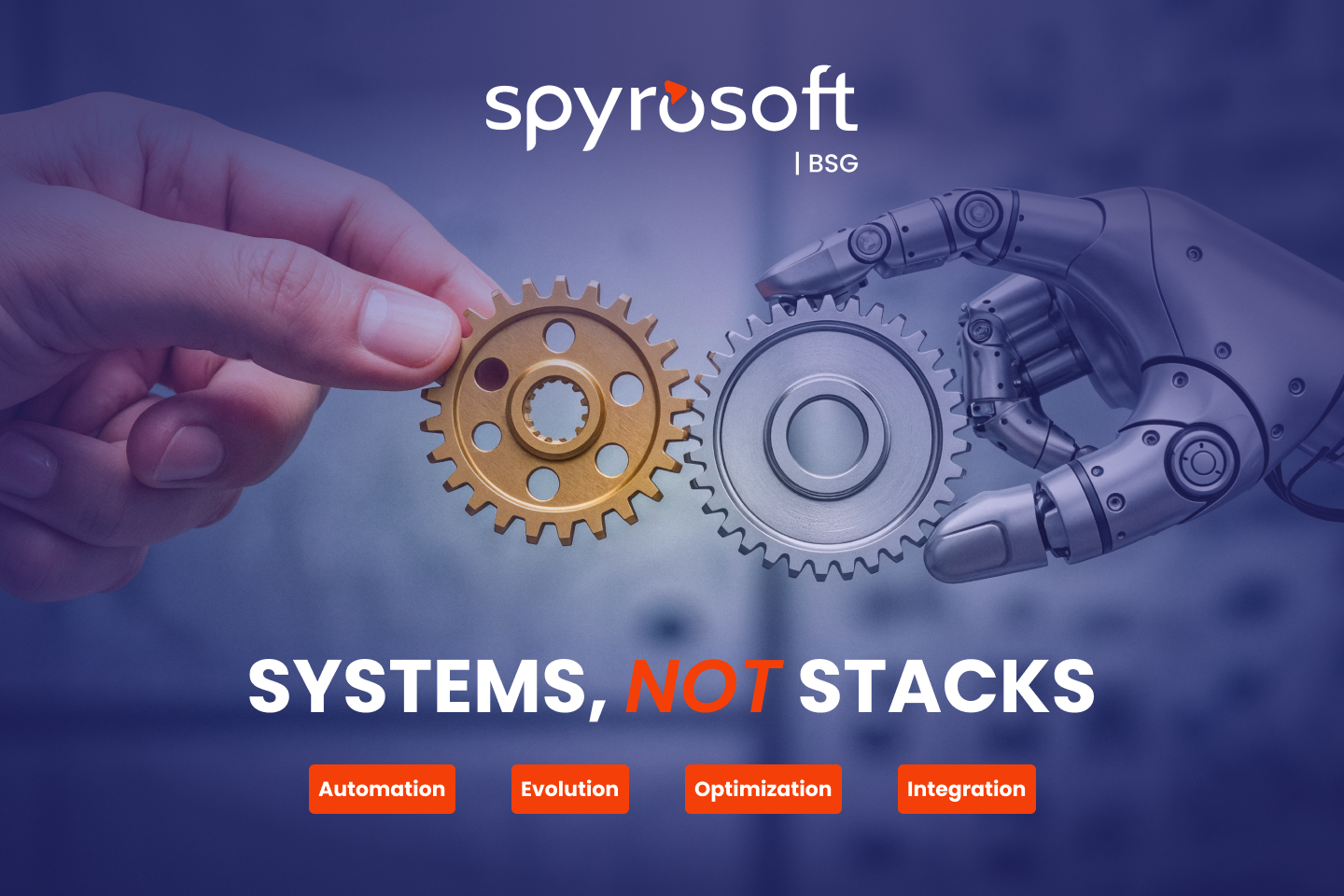
Most companies don’t have a technology problem; they have a coordination problem. They’re building stacks instead of systems. This is where media technology integration becomes essential – not just to connect tools, but to make the entire ecosystem work as one.
The illusion of progress
There’s a certain comfort in seeing a long list of tools in use – media asset management here, analytics there, automation on top. Everything looks sophisticated. Investors and board members see the dashboards, the acronyms, the integrations, and assume things are running smoothly.
But the reality is often more complicated. The tools rarely speak the same language. Teams end up doing manual exports, reformatting data, and fixing the same issues again and again. It’s progress that looks good on paper but feels clunky in practice.
The irony is that the more tools are added to fix inefficiencies, the worse the inefficiencies become. A true media technology integration strategy should simplify operations, not multiply them. Without it, even the most advanced setup becomes fragile and difficult to maintain.
One new platform promises automation. Another promises better visibility. But each adds another layer of complexity, and soon, managing technology becomes a full-time job in itself.
The real cost of complexity
Fragmentation doesn’t just slow down production. It creates invisible costs that accumulate over time.
- Missed ad opportunities. When ad servers, content libraries, and analytics tools aren’t aligned, campaigns misfire, impressions go untracked, and audience insights stay buried.
- Viewers dropping out. Every buffering issue, playback glitch, or login delay erodes user trust. Once viewers leave, it’s difficult, sometimes impossible, to win them back.
- Innovation bottlenecks. A single new feature can trigger weeks of testing across teams, each working in isolation. Progress becomes a chain reaction of dependencies.
- Duplicated costs. Overlapping licenses, multiple vendors, inconsistent maintenance. It all adds up to money that could have been spent on content, growth, or better user experience.
When Spyrosoft BSG audits architectures for broadcasters or streaming services, what we often find isn’t underinvestment but over-investment. Too many tools, too many moving parts, not enough media technology integration to connect them all.
From tech stacks to connected systems
The companies that move fastest today aren’t the ones adopting every new platform – they’re the ones connecting what they already have.
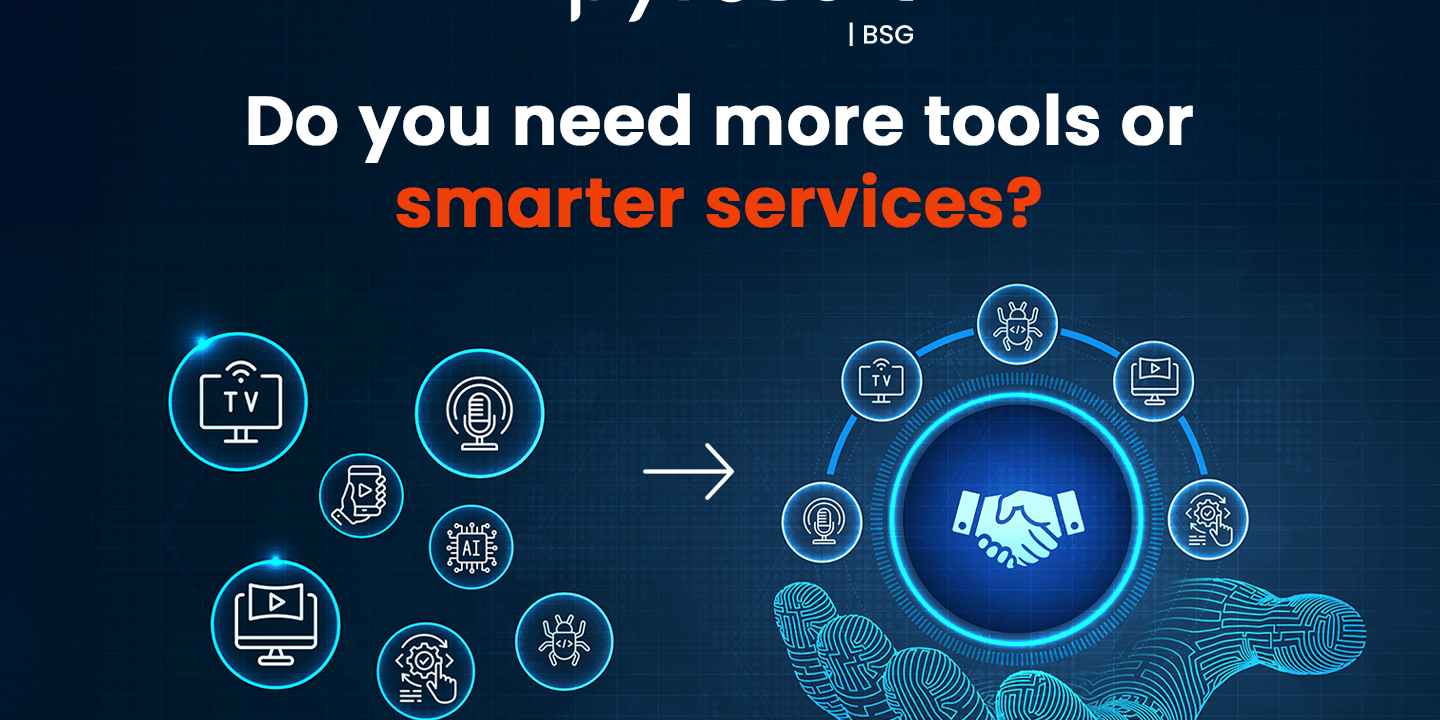
A true media system isn’t just a collection of technologies. It’s an ecosystem where MAM, OVP, DRM, ad tech, and analytics form one continuous flow. When everything works together, data becomes actionable, workflows shorten, and innovation stops being a bottleneck.
That’s where Spyrosoft BSG steps in.
Our role is to help media companies turn complexity into clarity. We connect fragmented systems, fine-tune performance, and make sure technology serves business goals rather than slowing them down.
Making media technology work together
Technology alone doesn’t solve fragmentation. It takes the right mix of engineering, architecture, and ongoing support to make systems move in sync.
- Integration – connecting MAMs, OVPs, DRM, ad tech, and analytics into one consistent workflow.
- Optimisation – spotting weak points and fine-tuning performance to reduce latency and improve stability.
- Automation – speeding up testing, delivery, and updates through smart DevOps pipelines.
- Evolution – preparing systems for the future, including FAST channels, D2C models, and AI-powered recommendations.
We’ve built and maintained complex streaming ecosystems for global media brands – broadcasters, sports leagues, and OTT platforms. The goal is always the same: to make sure every piece of the system supports the business instead of getting in its way.
Beyond media: a broader pattern
Interestingly, this challenge isn’t unique to entertainment. Healthcare, aerospace, manufacturing – all face the same issue in their own way. Advanced tools that don’t quite fit together. Systems that were never designed to communicate. Data that moves slower than it should.
This is why the Spyrosoft Group – now over 1,900 engineers, architects, and consultants worldwide – focuses on helping organisations move from scattered tools to connected systems that scale.
Because meaningful progress doesn’t come from adding more technology. It comes from making what’s already there work together – efficiently, intelligently, and in service of the people who actually use it.
If you find this article valuable, you can share it on social media →
Read more about the VOD & OTT Industry!

How POIS and ESAM power live ad control
Learn how POIS and ESAM move ad control to the source, giving broadcasters real-time flexibility and regional targeting.

What is Amazon Vega OS and why it matters for Fire TV users
Amazon unveils Vega OS, a new Linux-based system replacing Android on Fire TV. Faster, lighter, and built for independence from Google’s ecosystem.
Why services, not more products, solve media & entertainment challenges
The challenge in media and entertainment isn’t more tech, but making existing tools work together to deliver real results.
Are you looking for a partner to build a Video Solution?
Leave your email and a short description about your project. We would gladly discuss different cooperation possibilities!